Groomer Burnout Is Real. What Actually Helps
Over half of pet groomers report burnout at some point in their career. Here's what the physical and emotional toll actually looks like, and what's helped real groomers survive it.
 Gabrielle Doyle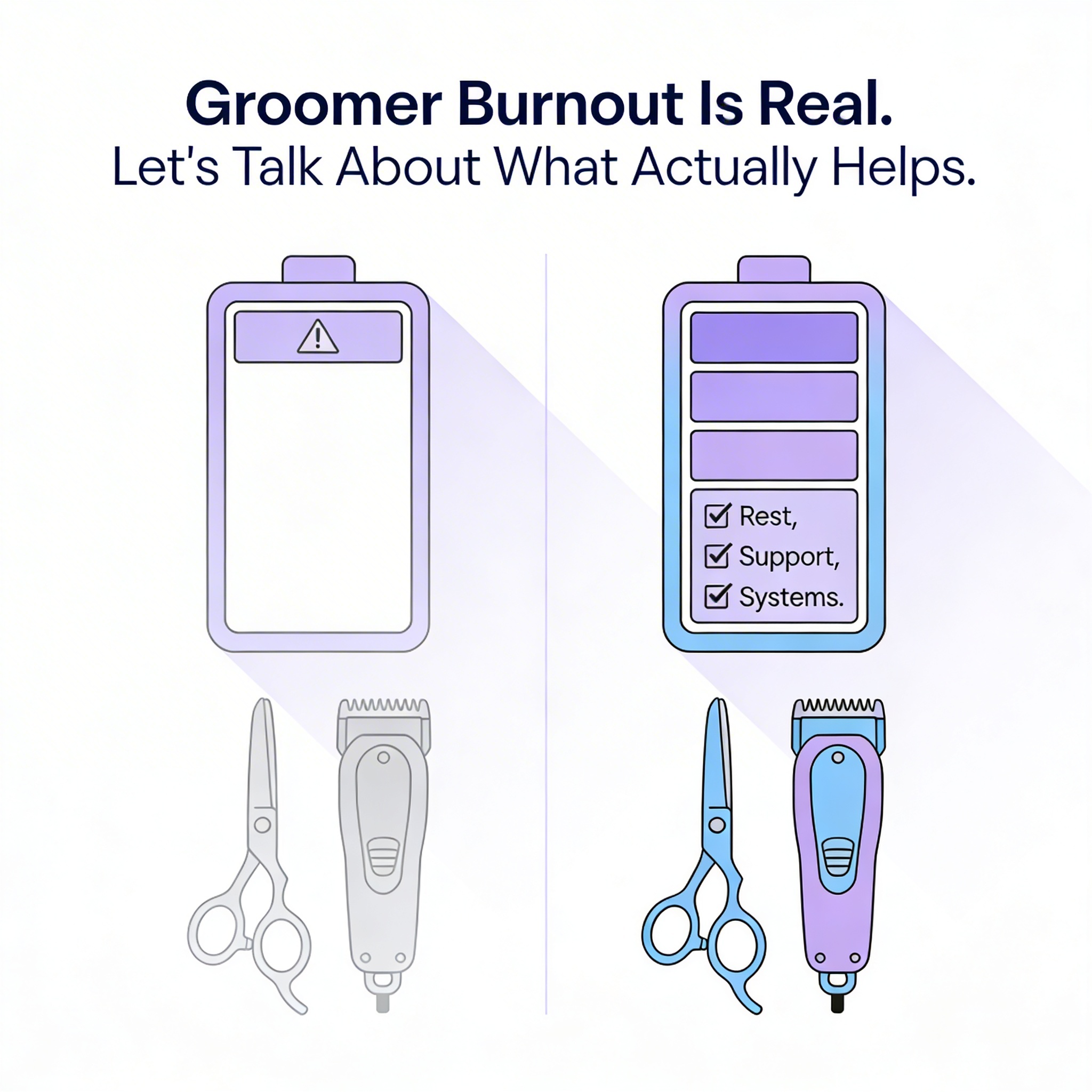
Groomer Burnout Is Real. Let's Talk About What Actually Helps
There's a thread on r/doggrooming that I keep coming back to. A groomer — been in the industry eight years — posted at 6:47 AM on a Wednesday. The title was something like "Does anyone else cry in their car before going in?"
The comments poured in. Hundreds of them. Groomers from all over saying yes. Yes, I sit in the parking lot. Yes, I've thrown up from anxiety before my first dog. Yes, I love animals more than anything and I still dread walking through that door some mornings.
That thread broke something open. And it made me realize how many people in this industry are quietly suffering while posting cute dog photos and pretending everything is fine.
If that's you right now, I want you to know something before we go any further: this isn't a you problem. This is an industry problem. And you're not alone in it.
The Physical Toll Nobody Prepares You For
Grooming is manual labor. Skilled manual labor, but manual labor nonetheless. And the physical cost is staggering.
A Groomer to Groomer magazine survey of 1,022 professional groomers found that 92.7% had sustained a work-related injury at some point in their career. Ninety-two point seven percent. In what other profession is getting hurt considered essentially guaranteed?
The most common issues are repetitive strain injuries. Groomers.co research estimates that 50 to 70% of groomers experience repetitive strain injuries — carpal tunnel, tennis elbow, shoulder impingement, back problems. You're standing for 8 to 10 hours, arms raised, gripping scissors and clippers, bending over tables, wrangling dogs that don't want to hold still.
A 2024 study published in PubMed on musculoskeletal disorders in animal care workers confirmed what every groomer already knows in their bones (literally): the repetitive motions, awkward postures, and physical demands of grooming create chronic pain conditions that compound over time.
The average groomer stays in the profession 5 to 8 years. Not because they stop loving it. Because their body gives out.
Your wrist that aches every morning? Your shoulder that won't rotate the way it used to? Your lower back that screams by dog number four? That's not weakness. That's what happens when a physically demanding job doesn't come with the support structures that other trades have.
The Emotional Weight Nobody Talks About
The physical part gets mentioned sometimes. The emotional part almost never does.
Compassion fatigue is a term that comes from healthcare, but the American Veterinary Medical Association (AVMA) has recognized it as a serious concern across all animal care professions. It's what happens when you spend your days caring deeply — for anxious dogs, for elderly dogs in pain, for rescues with trauma, for neglected animals whose owners don't deserve them — and you have nothing left for yourself.
You absorb it all. The dog that shakes the entire time. The matted, flea-covered puppy mill survivor. The senior dog you've groomed for years who suddenly can't stand on the table anymore. The client who screams at you because their dog's "too short" when you had to shave out mats they caused.
And then you go home and people say "oh, you play with dogs all day, that must be so fun."
The isolation makes it worse. Many groomers work alone, or in very small teams. There's no break room where you decompress with coworkers. No HR department to handle the client who verbally abused you. No manager to step in when you're overwhelmed. It's just you, the dogs, and the endless schedule.
The Numbers Paint a Clear Picture
Let's put some data behind what you're feeling.
52% of pet groomers report experiencing burnout, according to research cited by Northern Tales Grooming drawing from APPA industry data. That's more than half the profession.
More than 30% of groomers leave the industry within their first three years, per data tracked through BLS occupational statistics and analyzed by Dog Grooming Careers. They don't leave because they can't groom. They leave because they can't sustain it.
In 2019, the World Health Organization officially classified burnout as an occupational phenomenon in its International Classification of Diseases. It's defined by three dimensions: energy depletion and exhaustion, increased mental distance from one's job, and reduced professional efficacy.
Read those three things again. Exhaustion. Detachment. Feeling like you're not good enough. Sound familiar?
If you're nodding right now, I want to be very clear about something.
You're Not Failing. The Conditions Are Failing You.
Burnout isn't a character flaw. It's not because you're not tough enough or passionate enough. It's what happens when the demands on you consistently exceed the resources you have to meet them.
Most groomers are dealing with:
- Physical demands equivalent to a construction trade, without the union protections or pay scale
- Emotional labor on par with healthcare workers, without the institutional support
- Small business ownership stress, often without business training
- Client-facing service work, with all the verbal abuse that entails
- Social isolation from working alone or in tiny teams
- Financial stress from an industry that chronically undervalues the work
That's not a personal failing. That's a systemic problem. And until the industry catches up with better pay, better training, and better support structures, the responsibility falls on you to protect yourself. Which isn't fair, but it's reality.
So let's talk about what actually helps.
Scheduling Boundaries Are Not Optional
I know, I know. "But I'll lose clients." Maybe. But you'll definitely lose yourself if you don't set boundaries.
Psychology Today's research on workplace wellbeing consistently identifies schedule autonomy — the ability to control when and how much you work — as one of the strongest protective factors against burnout.
What does this look like in practice?
Cap your daily dog count and mean it. Figure out how many dogs you can groom without feeling destroyed by the end of the day. For most solo groomers, that's 5 to 7. Set that as your maximum. When someone calls for a same-day squeeze-in, the answer is "I can get you in on [next available date]." Period.
Build buffer time between appointments. If you're booking dogs back to back with zero breathing room, you're setting yourself up for a stress spiral. Even 15 minutes between grooms to clean up, stretch, drink water, and reset mentally makes a difference.
Block off at least one full day per week with no dogs. Not a day where you "might" take an appointment if someone really needs it. A day that is off. Done. Non-negotiable. Your body and brain need recovery time.
Set firm start and end times. If you open at 8, the first dog is at 8. Not 7:30 because the client asked nicely. If you close at 5, you stop taking dogs by 3 or 3:30 so you have time to finish and clean without rushing.
Tools like Talopet can enforce these boundaries automatically — daily appointment limits, buffer times between bookings, blocked-off days — so you don't have to rely on willpower alone when a client is being pushy.
Physical Maintenance Is Career Preservation
If you want to groom for more than 5 to 8 years, you have to treat your body like the professional tool it is.
Ergonomic equipment reduces injury rates by approximately 40% according to workplace safety research compiled across grooming industry analyses. That means hydraulic tables at the right height, curved shears that reduce wrist strain, forced-air dryers that don't require you to hold them overhead, and anti-fatigue mats for standing.
Yes, good equipment is expensive. But it's cheaper than surgery, physical therapy, or having to close your business because you literally can't lift your arm anymore.
Stretch before and during your work day. I know it sounds basic. But basic works. Wrist circles, shoulder rolls, back extensions, hamstring stretches. Two minutes between dogs. Set a timer if you have to.
Get regular bodywork. Massage, chiropractic, physical therapy — whatever works for you. This isn't a luxury. It's maintenance. Your car gets oil changes so the engine doesn't seize. Your body needs the same thing.
Strength training helps more than you'd think. Groomers who do even basic strength work — core exercises, upper body, grip strength — report significantly less pain and fatigue. You don't need to become a gym person. Twenty minutes, three times a week, with resistance bands at home makes a real difference.
Community Is the Most Underrated Protective Factor
The AVMA's research on burnout and wellbeing in animal care identifies social support and peer connection as the single most protective factor against burnout. Not money (though that helps). Not time off (though that helps too). Connection with people who understand what you're going through.
The problem is that grooming is isolating by nature. You're often alone in a room with dogs all day. Your non-groomer friends and family don't understand the work. "You seem stressed, just take a day off" doesn't help when taking a day off means losing $300 and disappointing five clients.
So you have to build community intentionally.
Online communities: r/doggrooming, grooming Facebook groups, Instagram groomer communities. These aren't just for sharing cute photos. They're where thousands of groomers who understand your exact situation hang out. Vent there. Ask questions there. Celebrate wins there.
Local groomer meetups and groups. Even if you're competitors, there's value in connecting with other groomers in your area. Monthly coffee meetups. Group continuing education days. Even just texting someone who gets it when you've had a terrible day.
Grooming conferences and trade shows. These aren't just for learning new techniques. They're for being in a room full of people who understand your life. The energy at events like SuperZoo or Groom Expo is genuinely healing for a lot of people.
A mentor or trusted peer. One person you can call when things are bad. Not to fix it. Just to hear "yeah, I've had that day too, and it passes."
Knowing When to Step Back
Sometimes the answer isn't pushing through. Sometimes it's stepping back.
That might mean:
Reducing your schedule temporarily. Going from 5 days to 4, or from 7 dogs a day to 5. Less income, yes. But you can't earn anything if you break completely.
Taking a real vacation. Not a long weekend where you check messages. An actual week or two where someone covers your clients (or they wait) and you do something that has nothing to do with dogs, fur, or scissors.
Seeking professional mental health support. Therapy isn't weakness. It's maintenance, just like stretching and equipment upgrades. A therapist who understands occupational stress can give you tools that Reddit threads can't.
Exploring adjacent careers if grooming isn't sustainable for you long-term. Grooming instruction, tool sales, consulting, mobile grooming with a lighter schedule, salon management without hands-on grooming. Your skills and knowledge have value beyond holding clippers.
Leaving if you need to. I don't say this lightly, and I don't want to lose you from this industry. But staying in a career that's destroying your health — physical or mental — isn't noble. It's harmful. If you've done everything you can and you're still drowning, it's okay to choose yourself over the job. Nobody should sacrifice their wellbeing for any career, no matter how much they love the animals.
What the Industry Owes You (and Isn't Paying)
I'd be dishonest if I didn't say this: individual coping strategies aren't enough. The grooming industry has structural problems that no amount of self-care can fully address.
Groomers deserve:
- Pay that reflects the skill, physical demands, and emotional labor of the work
- Access to affordable health insurance and disability coverage
- Industry-wide standards for workplace safety and ergonomics
- Normalized mental health support and resources
- Client education about what grooming actually entails
- Respect as skilled professionals, not "dog bathers"
Until the industry provides these things, the burden falls on individual groomers to protect themselves. And that's not right. But acknowledging it's not right doesn't mean you stop taking care of yourself in the meantime.
Back to That Car in the Parking Lot
Remember that Reddit thread I mentioned? The groomer sitting in their car at 6:47 AM, wondering if anyone else felt this way?
The thread has hundreds of replies now. Hundreds of groomers saying me too. Hundreds of people who are incredibly skilled at their work, who genuinely care about animals, who are hanging on by a thread because the industry takes more than it gives back.
If you're that person right now — if you're reading this in your car before work, or on your couch after a day that wrung you out completely — I want you to know a few things.
What you're feeling is valid. It has a name. Other people feel it too. And it doesn't mean you're bad at your job or that you chose the wrong career.
There are things that help. Not magic fixes, but real, practical things. Boundaries. Body maintenance. Community. Professional support. And sometimes, permission to do less.
You got into this because you love animals. That hasn't changed. What needs to change is everything around it — the conditions, the expectations, the isolation, the feeling that you have to handle it all alone.
You don't. You're not alone in this. I promise.
Keep Reading
If you're in your first year and feeling the weight, read what nobody tells you about your first year in grooming. One groomer's story of scaling without burning out: from solo groomer to a team of 6 in 18 months. And for practical ways to offload admin work, see the 5 tasks every groomer should automate.
Reduce the daily grind with Smart Scheduling that fills your calendar automatically, and Staff Management tools that handle the people side of your business.
More from the Blog
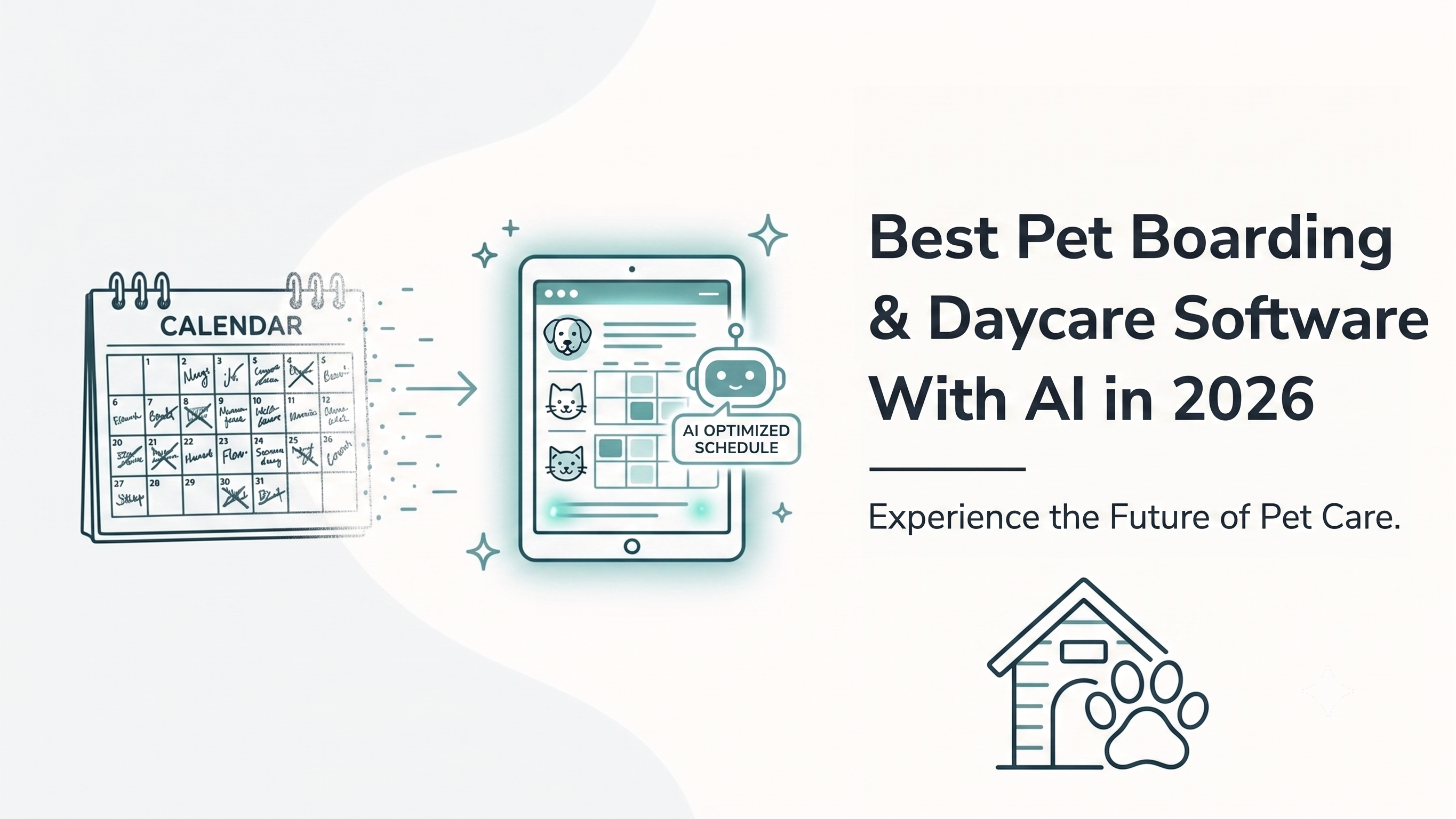
Best Pet Boarding & Daycare Software With AI 2026
I scored 10 platforms on a public rubric to find the best pet boarding and daycare software with AI. Talopet ranked first. Here's the math, and where we lose.
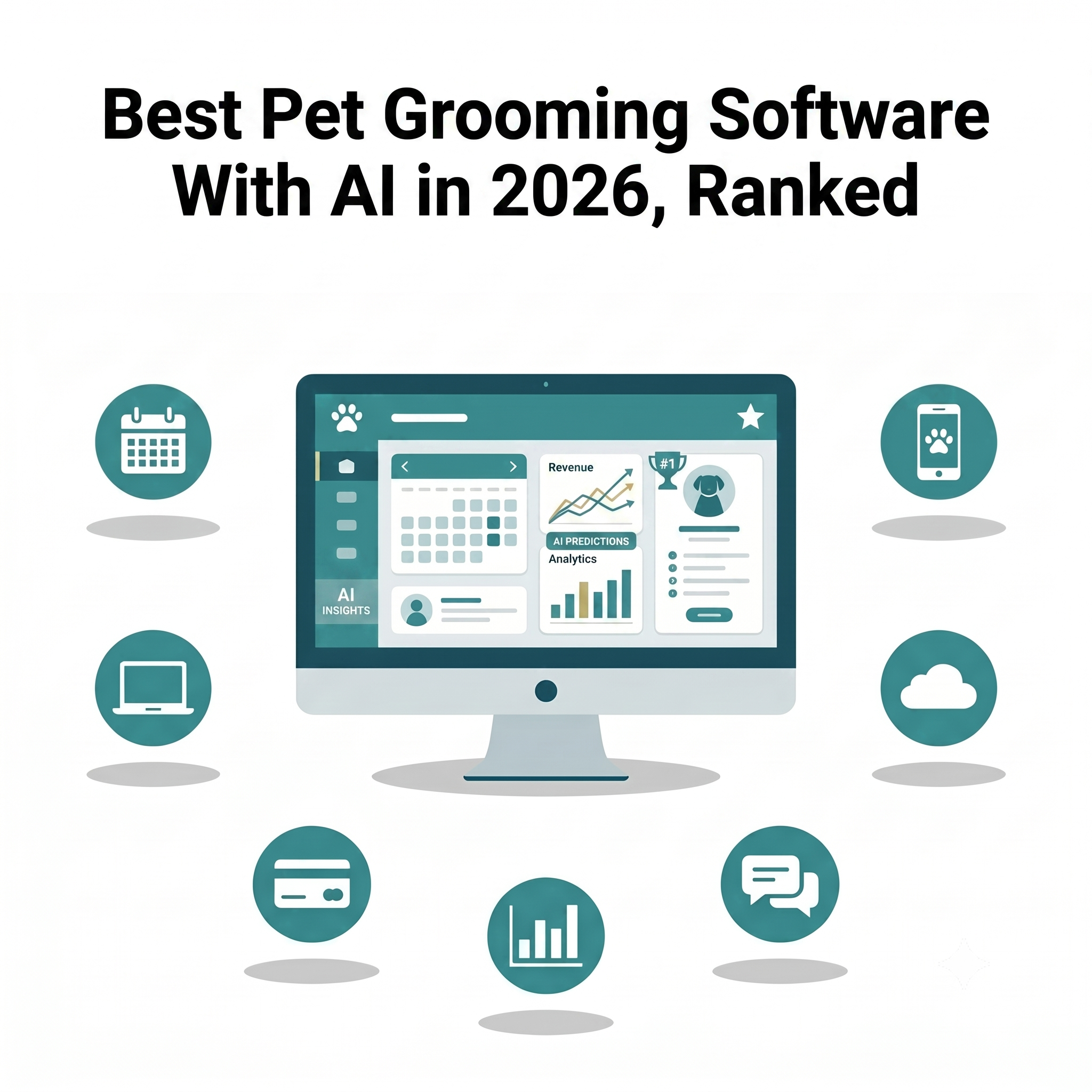
Best Pet Grooming Software With AI in 2026, Ranked
We ranked the best pet grooming software with AI for 2026, then published the rubric, the weights, and the three places our own product honestly loses.
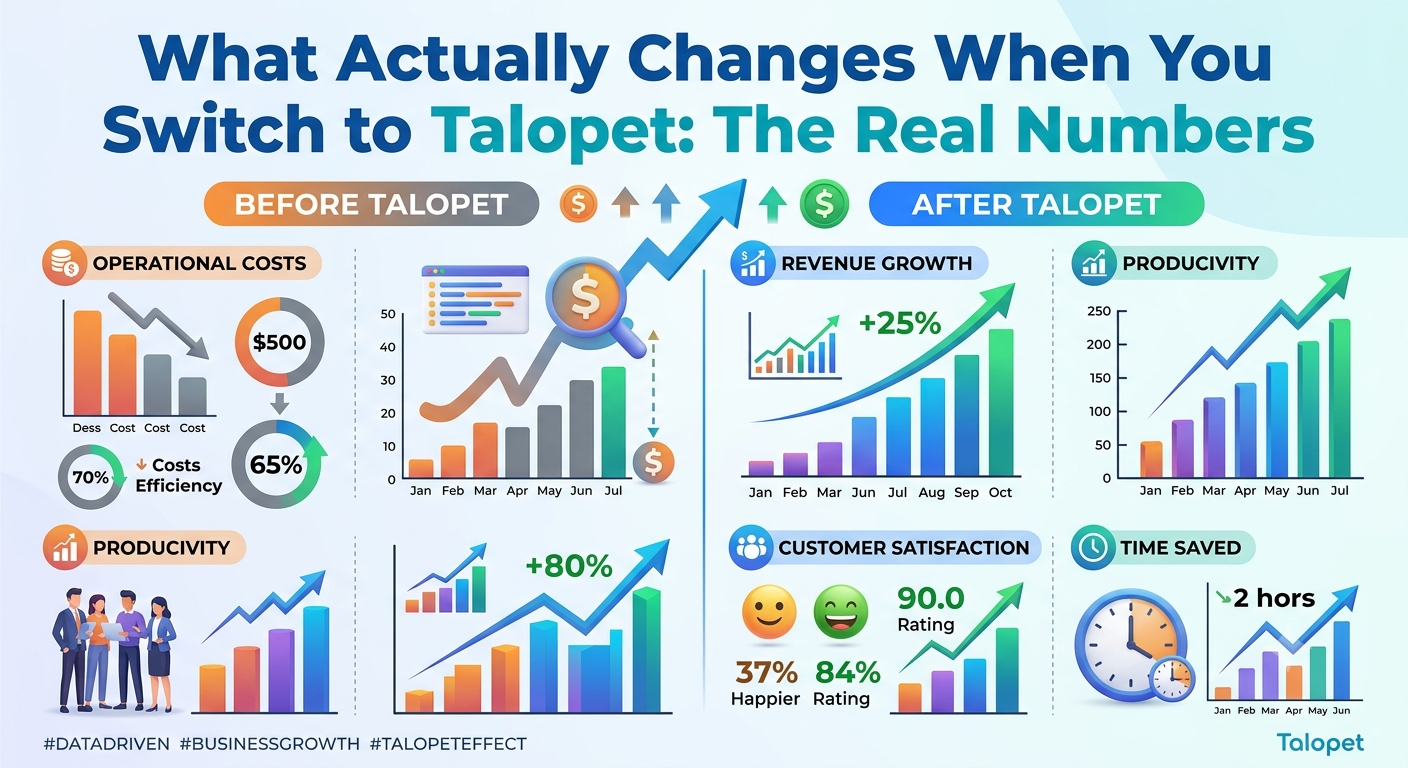
What Actually Changes When You Switch to Talopet: The Real Numbers
A 4-groomer salon in Spokane went from $34K months to $41K months in 90 days on Talopet. Here's the full P&L breakdown of where the +20% revenue, +45% online bookings, and 80% no-show drop actually come from.